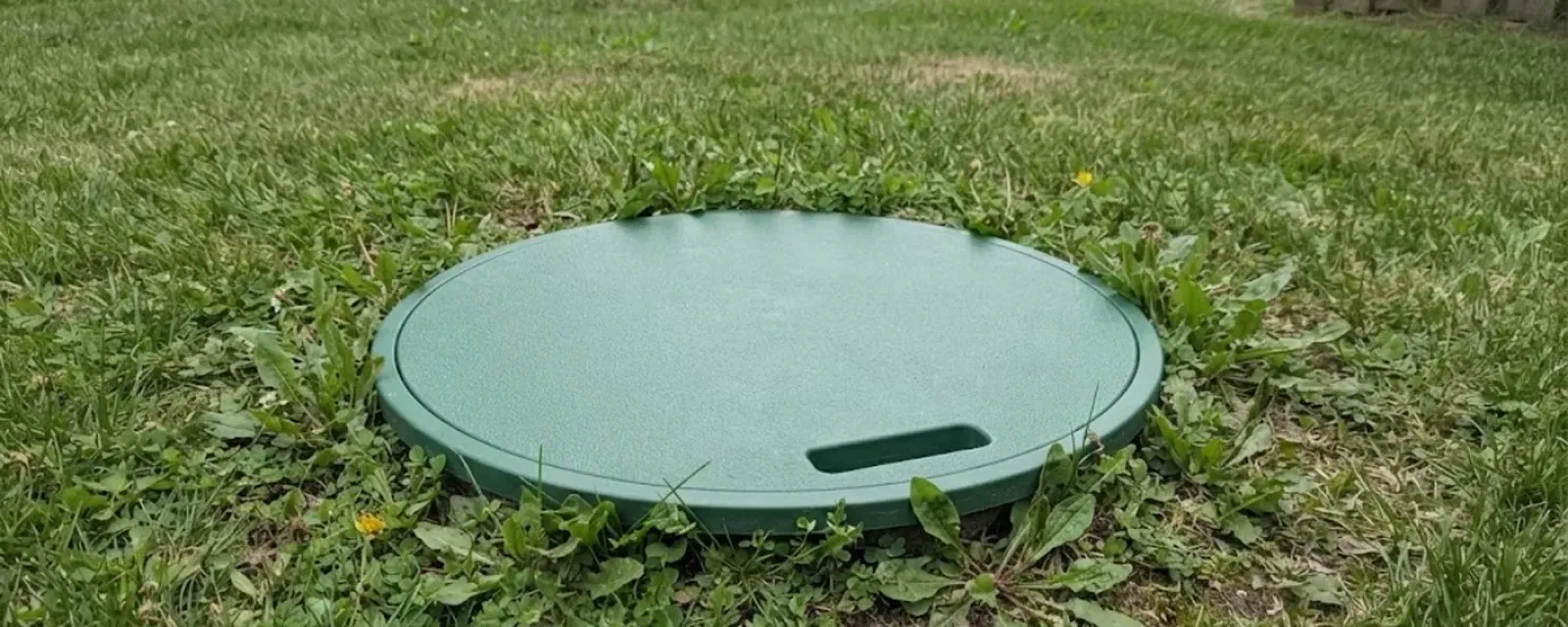
How often to pump
General guidance is to have a household septic tank inspected every year or so and pumped every three to five years. The right interval depends on the tank size, the number of people in the home and how much water and solid waste go into the system.
A larger family with a small tank needs pumping more often than a couple with a big one. Keep the pumping records, because the next owner and the county health office may ask for them.
Signs you should not wait
Slow drains throughout the house
The tank or drain field may be full.
Gurgling pipes
Air is trapped in the system.
Sewage odor in the yard
Waste may be surfacing.
Wet, spongy ground over the drain field
Effluent is not draining.
Sewage backups
The system needs immediate attention.
What to ask a septic contractor
Ask whether the price includes inspecting the baffles and filter, whether they open both compartments and whether they will give you a written report. A tank that is pumped through one small hole with no inspection gets less value.
Ask also about the schedule they recommend for your tank size and household, and keep their record.
What a plumber does, and what a septic contractor does
A septic contractor pumps the tank, inspects the baffles and evaluates the drain field. A plumber handles the pipes between the house and the tank, the fixtures inside and the clogs that may be mistaken for a septic problem.
We clear drain lines, inspect the pipe leading to the tank with a camera and find leaks that overload a system. If a pump-out is what your system needs, we say so and point you to the right trade. See sewer line cleaning and camera inspection.
Records you should keep
Save the permit, the as-built drawing and every pump-out receipt. These tell the next owner or the county where the tank and drain field are and when they were last serviced.
A missing record is a common stumbling block at home sales.
Who handles what
| Task | Septic contractor | Plumber |
|---|---|---|
| Pump the tank | Yes | No. |
| Inspect baffles and drain field | Yes | No. |
| Clear indoor drains | No | Yes. |
| Camera the line to the tank | Sometimes | Yes. |
| Repair house plumbing | No | Yes. |
What not to flush or pour down the drain
Anything that does not break down, such as wipes, cooking grease and paint, harms a septic system. Strong disinfectants in large amounts can kill the bacteria that digest waste.
Use cleaners in normal amounts and spread out heavy laundry loads. A system treated gently lasts decades.
Public sewer or septic: which applies to your address
Salisbury-Rowan Utilities provides water and sewer service for Salisbury, Spencer, East Spencer, Granite Quarry, China Grove and Landis, plus parts of unincorporated Rowan County. Homes outside the sewer service area use septic systems.
In North Carolina, county health departments regulate septic systems, and your records may be on file with the local environmental health office. SRU customer service can tell you whether sewer is available at your address.
Protecting a septic system
These habits extend its life.
- Spread laundry loads across the week.
- Fix leaking toilets and faucets promptly.
- Keep wipes, grease and chemicals out of the drains.
- Keep vehicles and trees away from the drain field.
- Keep records of every pump-out and inspection.
Rural edges of Rowan County
Areas around Granite Quarry and China Grove include homes on both public sewer and septic. A house near the town edge may have either, and the next door neighbor may have the other.
If you are buying a home there, ask for septic records and have the system inspected before closing.
Selling or buying a home with a septic system
Lenders and buyers often ask for a septic inspection, and some will require a recent pump-out. Having the tank pumped and inspected before you list the house avoids last-minute delays.
As a buyer, ask for the pumping record, the permit and the location of the drain field. A tank with no record is a risk that deserves a professional look before closing.
Why a full tank is not the only worry
Pumping removes sludge and scum, but it does not fix a failing drain field. A field that has stopped absorbing water will back up again soon after a pump-out.
If a tank refills quickly after pumping, tell your contractor. That is a clue that the field, not the tank, is the problem.
A water-saving fix that helps your septic system
A running toilet can send hundreds of gallons a day into a septic system and flood the drain field. Repairs are inexpensive and protect an expensive system.
Our toilet repair page explains common fixes, and a plumber can check every fixture in an hour.
Codes and standards worth knowing
Septic systems in North Carolina are regulated by county health departments, while house plumbing follows the International Plumbing Code (IPC) as adopted in the state.
Local questions answered
Guidance is every three to five years, but your household size and tank size change that.
No. Pumping is done by septic contractors. We handle the plumbing between your house and the tank.
Look at your utility bills or ask SRU. A septic lid in the yard is another clue.
Yes. A clog in the line can look like a full tank. A camera helps tell them apart.
County environmental health offices handle permits and records.