Short answer and what to do next
Water heater work falls under the plumbing section of the North Carolina State Building Code, which is based on the International Plumbing Code (IPC), and the City of Salisbury Development Services office issues permits for plumbing systems. The office is at 132 N. Main St, open Monday through Friday, 8:30 to 5, and takes calls at (704) 638-5208.
If a licensed plumber does the work, they normally pull the permit and schedule the inspection. If you replace the heater yourself in your own home, confirm what the office requires before you start. Our water heater installation page explains what a planned install includes.
What an inspector usually looks at
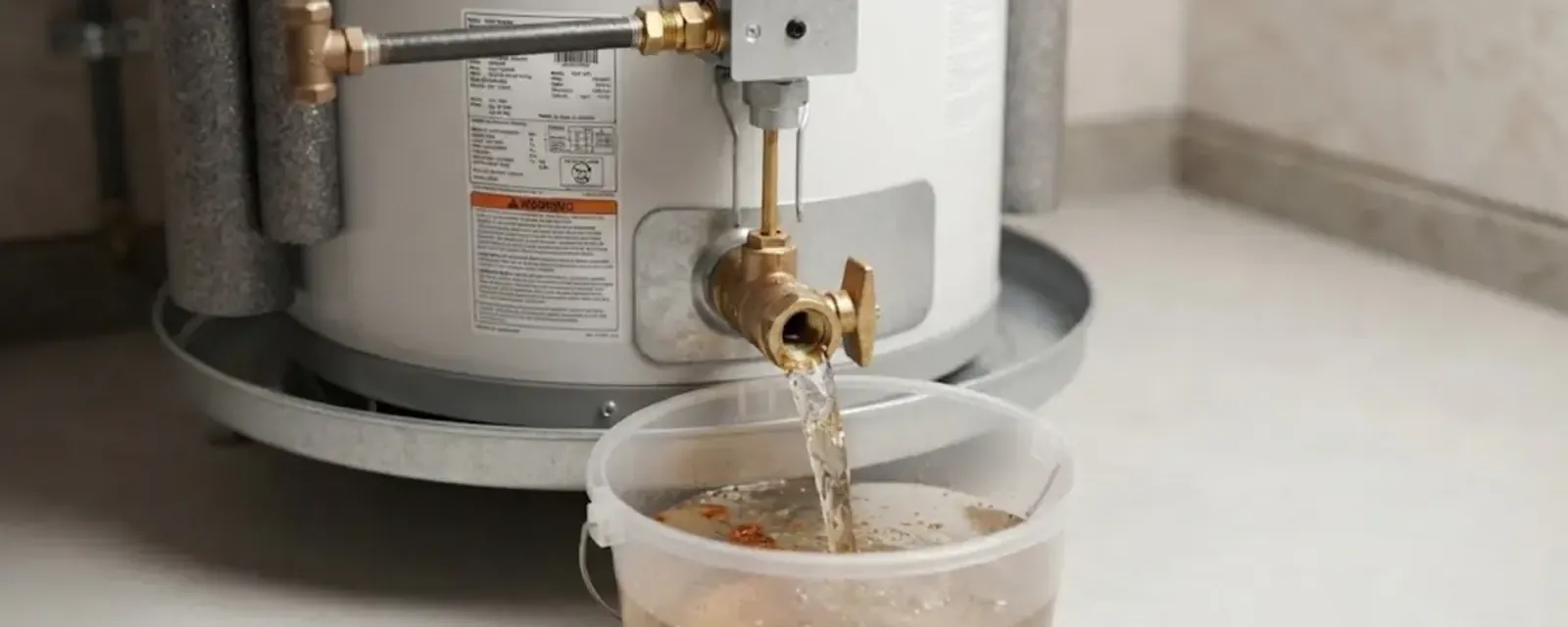
Relief valve and discharge pipe
The valve must be present and drain to a safe location.
Venting or electrical
Gas units need proper vents. Electric units need correct wiring.
Shutoff valves and connections
Water lines must be properly supported and connected.
Drain pan or protection
Some locations need a pan to protect floors.
Expansion control
Closed systems may need an expansion tank.
What to have ready before you call the permit office
Know the address, the type of heater, the fuel and whether the unit is moving or staying in place. If a plumber is doing the work, have the contractor's name and license information available.
These details help staff tell you whether a permit is required and what an inspector will check.
How the permit process runs
Contact the office
Confirm the permit requirements and fees.
Submit details
Provide the address, contractor and scope.
Install
Complete the work to code.
Inspection
An inspector checks the installation and signs off.
What happens on inspection day
The inspector looks at the visible parts of the installation, such as the vent, the relief valve discharge, the supply connections and the electrical or gas feed. They may also test the relief valve and check the drain pan.
If something does not meet the code, you get a list of corrections and a chance to fix and recheck. Plan for the inspection window rather than for an exact time.
Who does what
| Task | Licensed plumber | Homeowner doing own work |
|---|---|---|
| Pulls permit | Usually yes | Often yes, confirm with the City. |
| Schedules inspection | Usually yes | Yes. |
| Responsible for code compliance | The contractor | The owner. |
| Warranty on labor | Often included | None. |
Replacing a heater in a rental or an inherited home
Landlords and heirs often replace heaters in a hurry. Pulling the permit protects the owner and the next buyer, and it ensures the unit is safe for tenants.
If the work is done by a licensed plumber, the permit is part of the job. Ask to see the permit number and keep the inspection record with the house papers.
Licensing and what the state says
North Carolina requires a license for anyone who engages in plumbing contracting for pay, under G.S. 87-21. The State Board of Examiners of Plumbing, Heating, and Fire Sprinkler Contractors oversees licensing, and its License Search at nclicensing.org lets you confirm a contractor's license.
Minor repairs and replacements that do not change pipe routing, size, fuel type or venting are treated differently, which is why a like-for-like swap is sometimes simpler than a move or a fuel change. The City's office is the right place to confirm which side of the line your job falls on.
Historic districts and exterior work
Salisbury has five local historic districts, including West Square, Downtown, Brooklyn-South Square, North Main Street and Ellis Street Graded School. The Historic Preservation Commission requires a Certificate of Appropriateness for exterior changes there.
A new vent through a visible wall or a tankless unit mounted on the street side can count as an exterior change. Ask before you install, and mention it to your plumber.
Permits and your homeowners insurance
Insurers sometimes ask whether major work in the house was permitted when they review a claim. A documented permit and inspection show that the installation met the code at the time.
Keep the permit, the inspection sign-off and the invoice together. They also help at resale, when a buyer's inspector looks at the water heater.
A short checklist for permit day
Bring the address, the unit details, the contractor's information and a sketch of the location if you have one. Ask about fees, the inspection window and how to reach the inspector.
Write down the permit number and keep it with the receipt. If anything changes on site, such as moving the heater, tell the office before work continues.
Why skipping the permit costs more later
An unpermitted installation can complicate a home sale, an insurance claim or an inspection. A buyer's inspector may ask for proof the work was permitted, and the fix is usually harder after the walls are closed.
If you are replacing an old heater in Granite Quarry or China Grove, the same rules apply through the plumbing code. For an urgent failure, see water heater replacement.
Local questions answered
Through the City's Development Services office at 132 N. Main St. Call the office to confirm what your address needs.
Usually, and it is part of what you hire them for. Confirm in writing.
Each town can have its own permitting arrangement, so check with the town or county office that covers your address.
Yes. Use License Search at nclicensing.org.
Get hot water back first, then complete permit steps on the next business day. Your plumber can handle both.