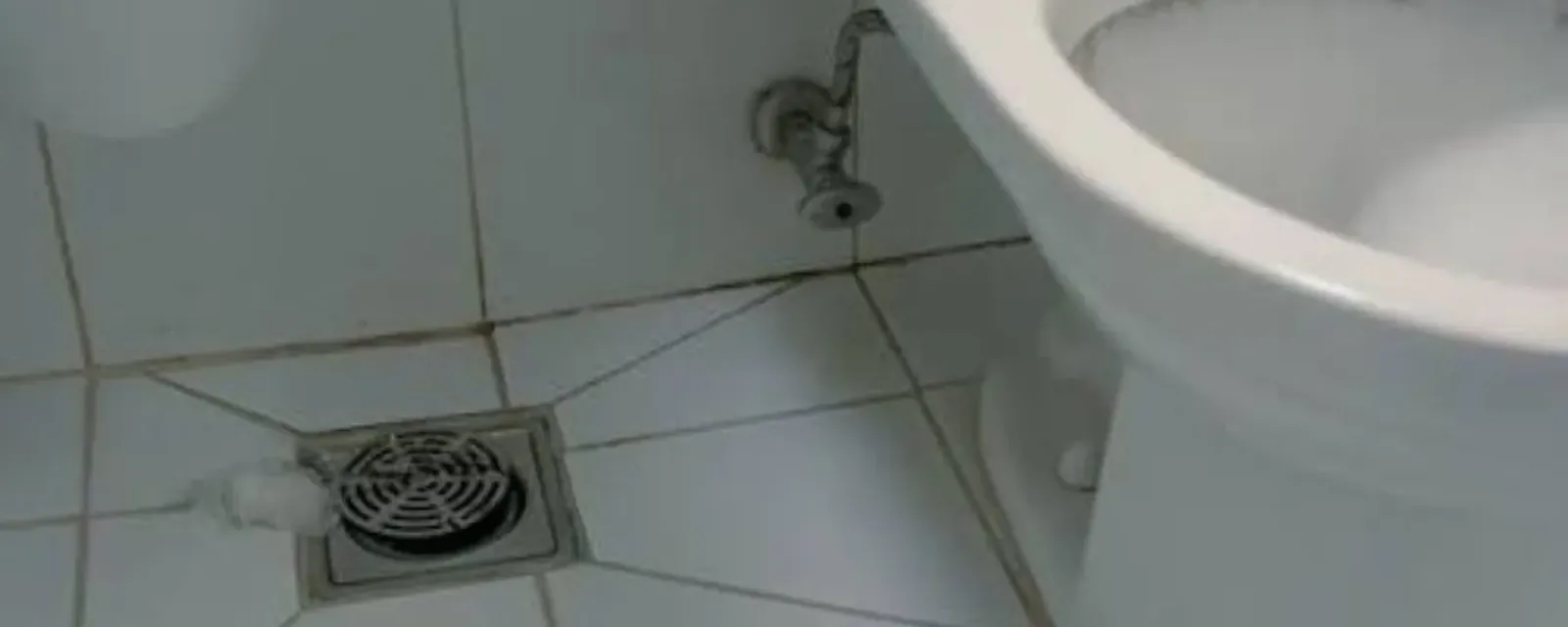
The core question: where is your sewer line?
If the house drain leaves the basement at a point below the floor, a toilet in the basement can drain by gravity. If the sewer sits above the basement floor, waste must be pumped up to it.
That depends on your house, so a plumber checks the depth of the drain, the location of the cleanout and the slope of the line. Our plumbing installation page explains how we plan new fixtures.
Two ways to drain a basement toilet
Upflush toilet
A self-contained unit with a macerating pump, mounted on the floor.
Ejector pit
A sealed pit with a pump that lifts waste to the main drain.
Gravity drain
Only when the basement is above the sewer.
Cutting the slab
Used for a gravity drain or an ejector pit.
Venting a basement bathroom
Every drain needs air. A basement toilet connects to a vent that rises through the walls to the roof, or to an approved air admittance valve where the code allows one.
The route for that vent often decides whether a basement bathroom is simple or complicated. We look at where it can run before we price the job.
Upflush versus ejector pit
| Factor | Upflush | Ejector pit |
|---|---|---|
| Floor work | None or minimal | Slab cut and pit. |
| Cost | Lower | Higher. |
| Noise | Noticeable | Quieter above ground. |
| Best for | A single added bathroom | Full bath or multiple fixtures. |
Sewage ejector pits need a sealed lid
A sewage ejector pit holds waste until the pump lifts it. The lid has to be sealed and the pit vented so odor and gas do not escape into the basement.
Treat the pump like a sump pump, with testing and an eventual replacement. Many last about a decade.
What an ejector installation looks like
Cut and dig
We open the slab and set the pit.
Install pump and vent
The pump, check valve and vent are installed.
Run the discharge
A line carries waste up to the main drain.
Restore and test
We patch the slab and test the system.
Waterproofing and moisture
Basements that take in groundwater need that handled before a bathroom goes in. A new toilet and finished floor will not tolerate repeated wetting.
If you have moisture problems, fix drainage first, and see our notes on sump pumps if water arrives from the ground.
Permits, rules and the sewer connection
Adding a bathroom changes the drain and vent system, which puts the job under the plumbing section of the North Carolina State Building Code, which is based on the International Plumbing Code (IPC). The City of Salisbury Development Services office at 132 N. Main St issues permits, and inspections happen before the slab is patched.
Public sewer service in Salisbury and nearby towns comes from Salisbury-Rowan Utilities, and the lateral to the main is generally the owner's responsibility. We check that the lateral can carry the added load before adding a fixture.
Basements in older Salisbury homes
Many homes in Salisbury and Spencer have partial basements or crawl spaces, and finished basements are common in newer subdivisions. Older foundations may be stone or brick, and cutting through them takes more care.
In Spencer and Granite Quarry, where soil and rock conditions vary, we check the floor and drainage before choosing a system.
Before you commit
These decisions steer the whole project.
- How deep is the sewer line at the house?
- How many fixtures will you add?
- Is a sump pump already in the basement?
- Is there room for a vent?
- Who will pull the permit?
Budgeting for the project in the right order
List the work in order: permit, slab cutting if needed, pit or upflush unit, drain and vent, supply line, toilet and finish. Costs sit mostly in the first three items, and surprises show up when the slab is opened.
Ask the plumber what could change the price after the floor is cut, such as soil conditions or old pipe. Set aside a margin for that, and decide in advance what you will do if the work uncovers a problem.
Ask also about timing. A basement bathroom can take a few days with a pause for the inspector, so plan around that if the space is in daily use.
What the inspector will want to see
Before the slab is patched, an inspector usually checks the drain, vent and pit connections. Keep the trench open until that sign-off, because closing early forces you to reopen it.
Ask your plumber to schedule the inspection and to be on site for it. Having the person who did the work answer questions saves time.
Keeping it trouble-free
Only toilet paper and human waste belong in any basement toilet, and macerating units are especially sensitive to wipes and feminine products. A backwater valve or high water alarm adds protection.
If you have a water problem in the basement already, see sump pump service first.
Local questions answered
Usually yes. We check the depth of the sewer to choose between gravity, upflush and ejector systems.
Yes, because the job adds drain and vent work. Salisbury Development Services issues the permit.
Yes, when used properly. Avoid wipes and non-flushable items.
You will hear the pump run. An ejector pit is quieter above ground.
Done properly, no. We patch and seal the slab after the work.